
Sleep can be one of the biggest adjustments when caring for twins, especially when two babies don’t always become tired, wake up, or need attention at the same time. Creating a flexible twin sleep schedule can help bring more predictability to your family’s day while still allowing you to respond to each baby’s individual needs. Rather than expecting a perfect routine right away, the goal is to gradually develop consistent sleep habits that work for both babies and your household.
Why a Twin Sleep Schedule Can Help
With two babies, sleep can quickly become one of the hardest parts of establishing a daily routine. One twin may fall asleep easily while the other needs more time, or one baby may wake while the other is still sleeping.
A flexible twin sleep schedule can help you recognize patterns, plan your day, and gradually create more consistency. The goal isn’t to force both babies into an identical schedule, but to develop a routine that supports each baby’s individual sleep needs.
Should Twins Sleep at the Same Time?
When your twins’ sleep periods overlap, it can give you valuable time to rest, eat, complete a task, or simply recharge. For that reason, many families work toward having their twins nap and go to bed around similar times.
However, twins won’t always be tired at exactly the same time. Pay attention to each baby’s individual sleep cues and allow some flexibility when their needs don’t match.
Creating a Consistent Bedtime Routine for Twins
A simple bedtime routine can help signal that it’s time to settle down for the night. Your routine might include changing diapers, putting on pajamas or wearable blankets, feeding the babies, dimming the lights, and spending a few quiet minutes together.
Try to follow a similar sequence each evening. The routine doesn’t need to be complicated—consistency is more important than creating a long list of bedtime activities.
Managing Twin Naps During the Day
Daytime naps may take time to become predictable, particularly during the early months. Keeping track of when each baby usually becomes tired can help you begin recognizing natural patterns.
If your twins frequently become sleepy around similar times, you may be able to gradually build your daily routine around those periods. If their nap schedules differ, focus on meeting each baby’s needs rather than expecting every nap to happen together.
What to Do When One Twin Wakes Up
One of the unique challenges of twin sleep is having one baby wake while the other remains asleep. You don’t necessarily need to wake the sleeping twin simply because their sibling is awake.
Keep the environment calm and respond to the baby who needs you. Over time, you’ll learn whether your twins tend to sleep through each other’s sounds or whether you need to adjust parts of your routine.
Making Nighttime With Twins More Manageable
Preparing before bedtime can make nighttime care feel more organized. Keep commonly used supplies such as diapers, wipes, burp cloths, feeding supplies, and extra pajamas easy to access.
If another parent or caregiver is helping overnight, decide ahead of time how you’ll share responsibilities. Even a simple routine can reduce confusion when everyone is tired.
Keeping Track of Your Twins’ Sleep
When you’re caring for two babies, remembering exactly when each baby fell asleep or woke up can become difficult. A simple sleep tracker can help you record naps, bedtime, wake times, and patterns you begin noticing.
Tracking doesn’t need to become another stressful task. Use it as a practical tool to help you understand your twins’ routines and identify changes as they grow.
When Your Twins Have Different Sleep Patterns
Twins may share a birthday, but they’re still two individual babies. One may naturally sleep longer, wake more frequently, or settle more easily than the other.
Try not to compare their sleep too closely. Instead, pay attention to each baby’s patterns and needs. If you have concerns about either baby’s sleep, development, breathing, or overall health, discuss them with your pediatrician.
Adjusting Your Twin Sleep Schedule as They Grow
Your twins’ sleep needs will change throughout infancy and childhood. A routine that works well today may need to be adjusted as naps change, nighttime sleep develops, and your family’s schedule evolves.
Rather than trying to maintain one schedule indefinitely, expect to make changes along the way. Flexibility can make these transitions much easier for everyone.
Finding a Sleep Routine That Works for Your Family
There isn’t one perfect twin sleep schedule that works for every household. Some twins naturally fall into similar routines, while others maintain different sleep patterns for quite some time.
Focus on creating a predictable environment, watching each baby’s cues, and developing routines that make your family’s days and nights more manageable. Progress may happen gradually, and that’s completely normal.
Safe Sleep Note: Always follow current safe-sleep recommendations from your baby’s healthcare provider and trusted pediatric health organizations.
Keeping track of two babies’ routines can be difficult when you’re running on limited sleep. The Twin Daily Planner from Twin Life Picks gives you one place to record sleep, feedings, diapers, pumping, medicine, activities, appointments, and more—helping you stay organized as your twins’ routines change.
A Double Bassinet Our Family Used With Twins
During the newborn stage, having a dedicated sleep space for both babies can help make nighttime routines more manageable. I purchased a double bassinet for my daughter to use with her twins, giving each baby their own sleep space while keeping them close together.
Every family’s sleep setup is different, so it’s important to choose a sleep space that works for your home and follow the manufacturer’s current age, weight and usage guidelines.
As an Amazon Associate, I earn from qualifying purchases.

- Versatile 2-in-1 Design – Functions as a standalone twin cradle or easily secures to your adult bed with the included sa…
- Premium Comfort & Extra Quilted Cover – Features firm, high-density sponge mattresses for optimal spine support. Include…
- Comfortable Twin Design & Storage – Features a room-saving double sleeping area tailored for twins 0-6 months, paired wi…
A calm, comfortable sleep environment can help support your babies’ bedtime and nap routines. These practical products may help make sleep time with twins a little easier to manage.
Affiliate Disclosure: This section contains affiliate links. Twin Life Picks may earn a commission from qualifying purchases at no additional cost to you.

- 𝗛𝗲𝗹𝗽 𝗞𝗶𝗱𝘀 𝗦𝗹𝗲𝗲𝗽 𝗕𝗲𝘁𝘁𝗲𝗿: Dreamegg sound machine baby offers 34 soothing sounds, including 11 nature sounds, 7 ambient sou…
- 𝗩𝗲𝗿𝘀𝗮𝘁𝗶𝗹𝗲 𝗡𝗶𝗴𝗵𝘁 𝗟𝗶𝗴𝗵𝘁 𝗠𝗼𝗱𝗲𝘀: Dreamegg sound machine baby is equipped with 3 modes of night lights – Solid Color, Sunligh…
- 𝗘𝗳𝗳𝗲𝗰𝘁𝗶𝘃𝗲𝗹𝘆 𝗕𝘂𝗶𝗹𝗱 𝗛𝗲𝗮𝗹𝘁𝗵𝘆 𝗦𝗹𝗲𝗲𝗽 𝗥𝗼𝘂𝘁𝗶𝗻𝗲𝘀: Dreamegg sound machine baby combines night light, soothing sounds, timer, and …

- Ergonomic Swaddle Design for Newborn Comfort: Crafted for babies 0-3 months (7-15 lbs, up to 19-25 inches), this swaddle…
- Ultra-Soft, Breathable Cotton for All Seasons: Made from 100% premium cotton, these swaddle sacks are lightweight, highl…
- Soft, Durable Hook-and-Loop Closures: Features strong, baby-safe Velcro that ensures a secure fit without loosening over…
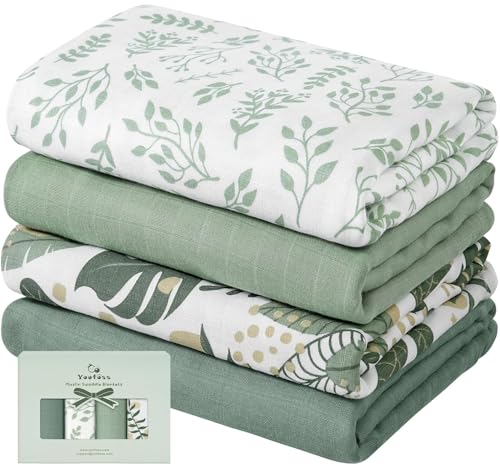
- 70% Rayon from Bamboo and 30% Cotton
- Soft & Breathable:Made of 70% rayon from bamboo and 30% organic cotton, Yoofoss muslin swaddle blankets are breathable a…
- Baby Essentials with Exquisite Packaging: Muslin baby blanket is a practical and considerate choice for baby showers, ba…