
Feeding twins can feel like a full-time job, especially during the newborn months when both babies may need to eat frequently. Creating a flexible twin feeding schedule can help bring more structure to your day, make it easier to track each baby’s feedings, and reduce some of the guesswork that comes with caring for two little ones. Whether you’re breastfeeding, bottle-feeding, pumping, or combining feeding methods, the goal isn’t to create a perfect schedule—it’s to find a routine that works for your babies and your family.
Why a Twin Feeding Schedule Can Help
Caring for two babies means keeping track of twice the feedings, bottles, burping, and changing needs. A flexible feeding routine can make the day feel more manageable and help you remember when and how much each baby has eaten.
Your schedule doesn’t have to follow the clock perfectly. Think of it as a helpful routine that can change as your twins grow and their feeding needs change.
A feeding routine can also become part of a more predictable twin newborn schedule as you begin noticing patterns in both babies’ days.
A Feeding Pillow Our Family Used With Twins
Feeding two babies at the same time can take some practice, and having the right setup can make the process more comfortable. My daughter used a Z Pillow with her twins, which gave her a supportive space for positioning both babies during feeding time.
Every family’s feeding routine is different, but for parents who plan to feed their twins together, a twin feeding pillow may be one item worth considering.
As an Amazon Associate, I earn from qualifying purchases.

- The Twin Z Pillow is the ultimate twin baby essential for breastfeeding, bottlefeeding, and pregnancy pillow.
- This non-foam twin pillow provides support and comfort for both you and your twins during feeding and bonding time.
- With its adjustable design, the Twin Z Pillow is the perfect twin nursing pillow for newborns and infants.
Should You Feed Twins at the Same Time?
Many twin parents and caregivers find that feeding both babies around the same time can make the day easier to manage. When one baby is ready to eat, you may choose to offer a feeding to the other baby as well.
However, twins are two individual babies, and their hunger patterns won’t always match. One may eat more, take longer to finish, or become hungry sooner than the other. It’s okay for your routine to be flexible.
Breastfeeding Twins
Breastfeeding twins may take some time and practice while you learn what works best for you and your babies. Some parents feed one baby at a time, while others eventually become comfortable feeding both babies together.
Keeping burp cloths, water, nursing supplies, and other frequently used items near your usual feeding area can make each session easier. If you have concerns about breastfeeding, milk supply, or your babies’ growth, your pediatrician or a qualified lactation professional can provide individualized guidance.
Bottle-Feeding Twins
Whether you’re using expressed breast milk, formula, or both, preparing your bottle-feeding area ahead of time can save valuable time throughout the day.
Keep clean bottles, burp cloths, bibs, and other feeding supplies organized and easy to reach. Tracking which baby ate, when they ate, and how much they consumed can also be especially helpful when several family members or caregivers are helping with feedings.
Combination Feeding and Pumping
Some families use a combination of breastfeeding, pumping, expressed breast milk, and formula. If that’s what works for your family, keeping a simple record can make it easier to remember what each baby received.
If you’re pumping, having a designated place for your pump and supplies can also make the routine easier. Your feeding approach may change over time, so give yourself room to adjust as your twins grow.
Keeping Track of Two Babies’ Feedings
With two babies, it’s surprisingly easy to forget who ate what—especially during busy days and middle-of-the-night feedings.
A simple feeding tracker can help you record each baby’s feeding time and other useful information. Keeping those details in one place can also make it easier to notice patterns in your twins’ routines.
Making Nighttime Feedings Easier
Nighttime feedings can be one of the more tiring parts of caring for newborn twins. Preparing your feeding area before bedtime can reduce the amount of searching and organizing you have to do when you’re tired.
Keep the supplies you’ll need within easy reach and use a simple system for recording feedings. If another caregiver is helping overnight, having an established routine can also make it easier to know what has already been done.
Feeding and sleep often influence one another, so creating a flexible twin sleep schedule can also help bring more structure to your babies’ day.
When Your Twins Have Different Feeding Needs
Even though they’re twins, your babies may not eat the same amount, follow the same schedule, or reach feeding milestones at exactly the same time.
Avoid comparing one baby’s feeding habits too closely with the other’s. Follow the individualized feeding guidance provided by your babies’ healthcare professionals, particularly if one twin has different nutritional or growth needs.
Finding a Twin Feeding Routine That Works for Your Family
There is no single twin feeding schedule that works for every family. Your routine will depend on your babies’ ages and individual needs, your feeding method, and what works best for your household.
As your twins grow, their feeding routine will continue to change. The goal is to create enough organization to make your days easier while remaining flexible enough to respond to each baby’s needs.
Keeping track of two babies doesn’t have to rely on memory alone. The Twin Daily Planner from Twin Life Picks gives you one place to organize feedings, sleep, diapers, pumping, medicine, activities, appointments, and more helping make busy days with twins a little easier to manage.
The right feeding supplies can help make feeding two babies feel a little more manageable. These practical finds may help support your family’s feeding routine.
Affiliate Disclosure: This section contains affiliate links. Twin Life Picks may earn a commission from qualifying purchases at no additional cost to you.
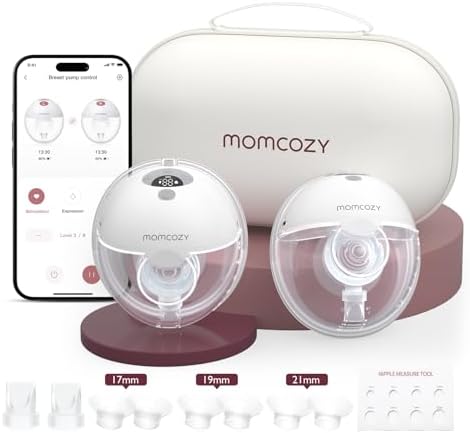
- Smart App Control – Now with upgraded APP function, you can easily adjust modes and levels, switch between single or bil…
- Ultra-Light & Truly Discreet Pump – Weighing only 232g and 2/3 the size of ordinary pumps, the Momcozy M5 Smart is desig…
- SPA-like Comfort with “Baby Mouth” Tech – Featuring an innovative “Baby Mouth” suction structure that mimics a baby’s na…

- 【Fast Warming in 3 Mins】 Takes only 3-7 minutes to heat cold milk to body temperature. It heats up quick enough to calm …
- 【Smart 8-in-1】Fast Warming / Thaw / Keep Warm / Steaming / Food Heating / Timer / Adjustable Temp / Anti-scald Basket. S…
- 【Perfect for Night Feeding】Use Keep Warm function to maintain the milk temperature before going to bed by gentle water b…
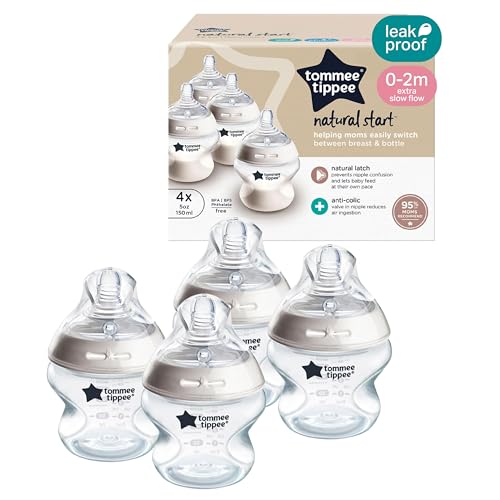
- Designed For Seamless Transition Between Bottle and Breast: Natural Start bottles have silicone nipples that are designe…
- Natural Latch For Baby: Our silicone bottle nipples are shaped to encourage a natural latch, reducing air intake and pre…
- 100% Leakproof Bottle to Avoid Messes: When the screw ring, nipple and cap are all secured, your baby bottle is complete…
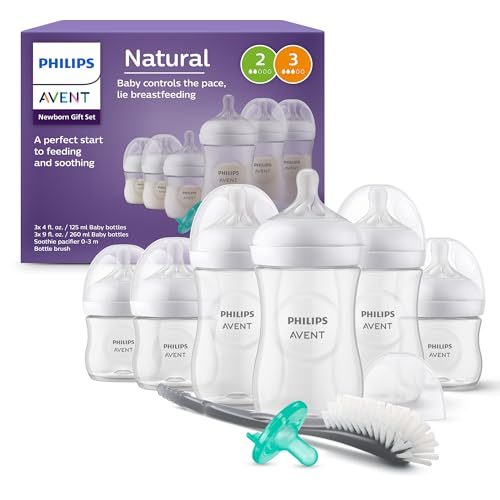
- Natural Feeding Rhythm: Baby controls the pace of milk flow like breastfeeding, supporting combination feeding; #1 Pedia…
- Active Drinking Flow: The nipple releases milk only when baby actively drinks; when baby pauses to swallow and breathe, …
- Right Nipple Flow: Includes slow Flow 2 and medium Flow 3 nipples; use baby’s feeding cues to help determine when to cha…